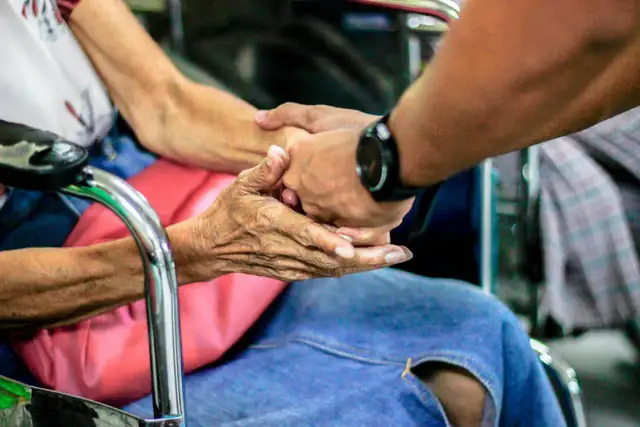
Gentle, practical ways to be there for a friend or family member after a death, in the first weeks and the months that follow.
Last reviewed · For readers in Australia
In short
A short message is enough. You don’t need the perfect words.
Practical help, like meals and errands, often matters most.
Keep in touch in the months after the funeral, when offers thin out.
When someone you care about is grieving, it’s natural to worry about saying the wrong thing. Many people stay away for exactly that reason, and the person who’s grieving ends up lonelier than they needed to be. The good news is that you don’t need the perfect words. Showing up, kindly and more than once, matters far more.
This guide gathers some gentle ways to help, in the first days and in the long months after.
In the first days
Get in touch. A short message is enough: “I’m so sorry about your dad. I’m thinking of you, and you don’t need to reply.” Taking away the need to answer is a small kindness.
Use the person’s name. Saying their name and sharing a small memory shows that their loved one isn’t forgotten. “I keep thinking about the way Margaret laughed at her own jokes” can mean more than any general phrase about loss.
Offer something specific. “Let me know if you need anything” is kindly meant, but it leaves the work of asking with them. Something definite is easier to accept: “I’m dropping a lasagne round on Thursday. I’ll leave it at the door.” Or: “Can I pick the kids up from school this week?”
Practical help that matters
There’s a surprising amount to do after a death, and much of it is tiring and administrative. You might offer to:
make phone calls, or sit beside them while they make them
help them work through the organisations that need to be told (our guide on who to tell when someone dies has the list)
drive them to appointments with the funeral director, the bank or a solicitor
look after pets, mow the lawn, or bring in the bins
help with the funeral, from printing the order of service to making tea at the wake
Our guide to arranging a funeral explains the steps, if you’re helping with that.
What to say
It’s usually kinder to listen more than you speak. You might say:
“I’m so sorry.”
“I don’t know what to say, but I’m here.”
“Would you like to tell me about him?”
Some well-meant phrases can sting. “They’re in a better place” or “at least they had a long life” can leave a grieving person feeling their pain is being hurried along. So can comparing their loss to your own, even with the best intentions. If you’re not sure, simple and honest is best.
It’s fine to sit in silence. It’s fine to cry with them. And it’s fine to talk about ordinary things if they want a break from grief for an hour.
In the months that follow
Offers of help can thin out once the funeral is over, just as the reality is settling in. That’s often when your care can matter most.
Put the anniversary of the death in your calendar, along with their birthday and the first Christmas, and get in touch on those days.
Keep inviting them to things, even if they say no for a while, and let them know there’s no pressure.
Mention the person who died now and then. It tells them their loved one isn’t forgotten.
healthdirect notes that grief affects sleep, appetite and energy, and that it can be exhausting. A meal, a walk together or an afternoon of company can help more than it seems.
When to suggest more support
Everyone’s grief is different, and many people find their own way through with the support of people around them. healthdirect suggests it’s a good idea to seek help if someone has persistent sadness and despair, if their grief has been distressing for 12 months or more, or if it’s getting in the way of everyday life. Our guide to grief, and when to get help explains the signs in more detail.
You can gently mention that their GP is a good place to start, and that free services exist. Beyond Blue offers free counselling 24 hours a day on 1300 22 4636, and says it can also help you if you’re supporting a family member or friend. Griefline is on 1300 845 745 on weekdays.
If you’re worried about their safety, call 000 if they’re in immediate danger, or Lifeline on 13 11 14.
Looking after yourself
Supporting someone through grief can be draining, especially if you’re grieving too. It’s alright to share the load with others, to take a night off, and to talk to someone yourself. You’ll be more help to them if you’re looked after as well.
And if you’d like a way to honour the person who died together, gathering their stories with family can be a gentle thing to share, whenever the time feels right.
Further help
Griefline 1300 845 745, weekdays 10am to 8pm AEST/AEDT, plus online forums.
Beyond Blue Free counselling 24 hours a day on 1300 22 4636, including help to support a family member or friend.
Lifeline 24 hour crisis support on 13 11 14. In an emergency, call 000.
GriefLink Information for people who are grieving and for those supporting them.
Each fact in this guide was checked against these official pages on 23 October 2026. Rules and forms change, so please check the source for your own situation.
This is general information, not legal, financial, insurance or medical advice. For your own situation, please speak with a qualified professional or the official body named above.