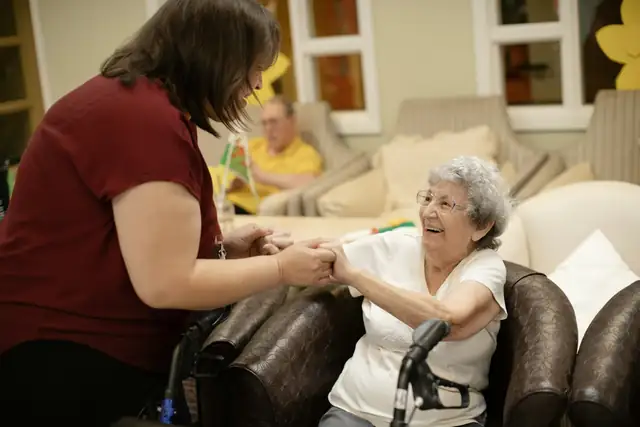
What palliative care is, how to find it, preparing for a death at home, and the support available to you as a carer.
Last reviewed · For readers in Australia
In short
Palliative care is about comfort and quality of life, for the person and their family.
It can happen at home, in hospital, in a hospice or in aged care.
Carers need support too, and Carer Gateway is a good place to start.
Caring for someone you love as they near the end of their life is tender, tiring and often deeply meaningful work. You might be doing it at home, visiting a hospital or aged care home every day, or coordinating from another city. However you’re doing it, you deserve support too.
This guide explains palliative care, how to find it, what to expect if the person wishes to die at home, and where to find help for yourself. For any medical question about the person you’re caring for, their doctor or palliative care team is the right first call.
What palliative care is
The Australian Government’s health department describes palliative care as care for people with a life-limiting illness that focuses on relieving symptoms and improving quality of life, for the person and their family. It can begin soon after a diagnosis and continue alongside other treatment. It isn’t only for the last days.
It’s provided by a team that can include doctors, nurses, social workers, therapists, psychologists, aged care workers and volunteers, working with the person’s GP.
Where it can happen
The health department explains that palliative care can be provided at home, in hospital, in a hospice or palliative care unit, or in a residential aged care home, depending on the person’s needs and wishes. Those wishes can change as an illness progresses, and that’s alright.
To find services near you, Palliative Care Australia keeps a national directory. The person’s GP or specialist can also make a referral.
Planning ahead together
If the person is able to, it helps to talk early about what matters to them: where they’d like to be cared for, what treatment they would or wouldn’t want, and who should speak for them if they can’t. healthdirect suggests that if someone knows they’re dying, they talk with their doctor or palliative care team about how that might happen and what they want, and that they involve you or tell you afterwards.
Our guide to advance care planning explains how to record those wishes formally. It’s also a good time to make sure their will and powers of attorney are in place, if they’d like.
If they wish to die at home
healthdirect explains that if the person chooses to die at home, they should first speak with their doctor or palliative care team to create a plan. The doctor can provide “death at home” documents, such as a letter telling the ambulance service that the person is expected to die and shouldn’t be resuscitated.
When the time comes, healthdirect is clear that an expected death at home isn’t an emergency. You don’t need to call an ambulance or the police. There’s no legal requirement to contact anyone straight away, and if the person dies during the night, you can wait until morning. When you’re ready, call their doctor or palliative care team, who’ll confirm the death. Our gentle checklist explains what comes next.
It can help to keep a list by the phone: the GP, the after-hours doctor, the palliative care nurse and the funeral director you’d like to call.
Making the most of the time
Alongside the care, there may be moments for the things that matter most: favourite music, a visit from the dog, a meal they’ve been missing, an afternoon in the garden. Some families find it precious to gather stories while they can. Our guide to gathering a parent’s stories has gentle ways to do that without tiring anyone out.
Talking with the care team
It’s alright to ask questions, and to ask them more than once. You might like to ask the person’s doctor or palliative care nurse what changes to expect in the coming weeks, who to call after hours, how medicines should be given and stored, and what support is available at home. Writing questions down before each visit, and the answers afterwards, can help a great deal when you’re tired.
Support for you
Carers often put their own needs last. The health department explains that support for carers can include practical help, respite, advice, counselling and bereavement support.
Carer Gateway is the Australian Government’s free service for carers. You can call 1800 422 737 on weekdays from 8am to 5pm and choose option 1 to be connected with a local provider. It can help with counselling, peer support, practical help and respite.
A few small things that may help:
accepting offers of help, and giving people specific jobs
keeping one notebook for medications, appointments and questions for the care team
taking short breaks, even an hour, without guilt
talking to someone about how you’re feeling
If you’re feeling overwhelmed, your own GP is there for you too. Beyond Blue offers free counselling 24 hours a day on 1300 22 4636, and Lifeline is there on 13 11 14.
Grief before and after
Many carers begin to grieve before the person dies, and then are surprised by how hard the loss still is. Both are natural. Our guide to grief, and when to get help is there whenever you need it.
Further help
Carer Gateway Free support for carers, including counselling, respite and peer support. Call 1800 422 737, weekdays 8am to 5pm.
Each fact in this guide was checked against these official pages on 23 October 2026. Rules and forms change, so please check the source for your own situation.
This is general information, not legal, financial, insurance or medical advice. For your own situation, please speak with a qualified professional or the official body named above.