Choosing a way to tell your story that suits you, whether you write, talk or record, and how to keep it safe for the people who’ll treasure it.
Last reviewed · For readers in Australia
In short
Write, talk or record. There’s no best way.
A story a week becomes fifty in a year.
Keep copies safe, in more than one place.
Your life story doesn’t need to be a book. It can be a handful of recordings, a notebook by the bed, a box of labelled photos, or a long conversation with a grandchild. What matters is that some of it is kept, in a way that feels natural to you, so the people who love you can one day hear it.
If you’re wondering where on earth to start, our blog post on how to start telling your life story suggests beginning with one small, ordinary memory. This guide is the next step: choosing a way of telling that suits you, and keeping what you make safe.
Choose the way that suits you
There’s no best way. The best one is the one you’ll actually do.
Writing. If you like the feel of a pen, a notebook can be lovely. Write one memory at a time, a page or two, without worrying about order. Dates can be filled in later.
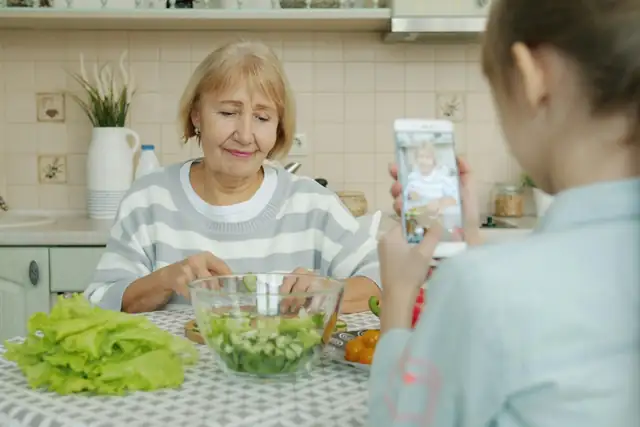
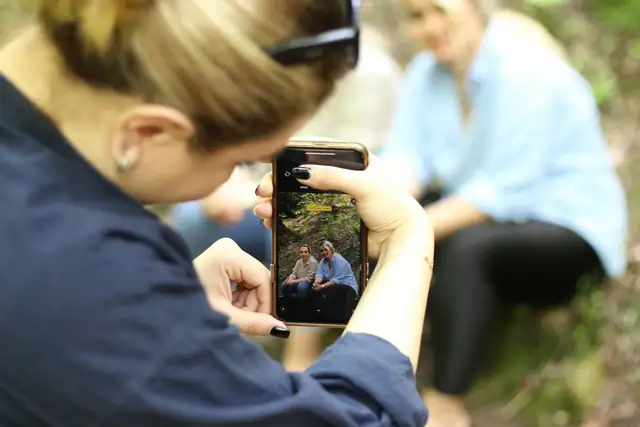
Talking. Many people find it far easier to speak than to write. You can record yourself on a phone using its voice memo app, telling one story at a time. Your voice, with its pauses and laughter, is part of the story.
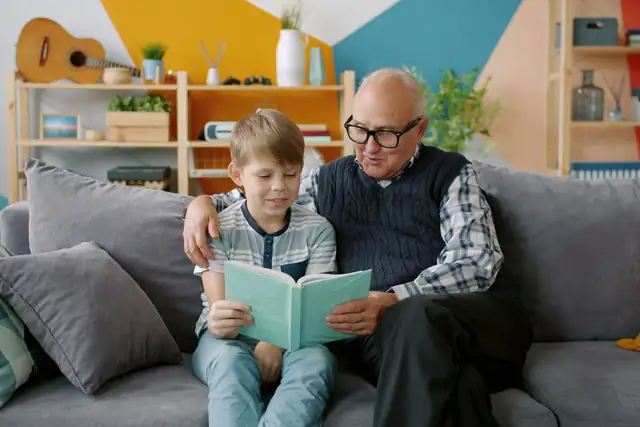
Being asked. Some stories only come out when someone asks. A child, grandchild or friend can interview you, with a phone recording on the table between you. Our guide to gathering a parent’s stories is written for them, and you might like to send it.
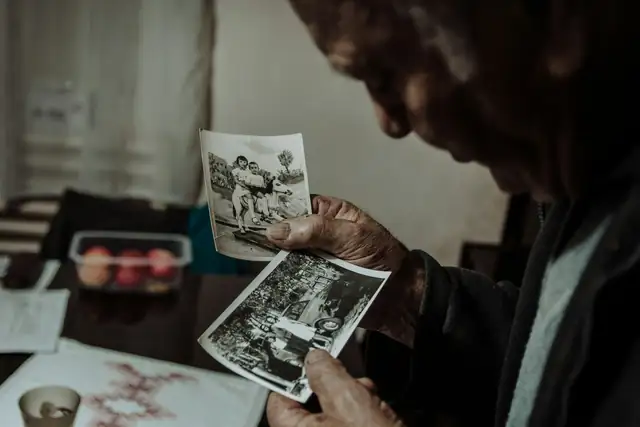
Photos first. Sitting with an old album and talking about each picture can unlock memories you’d forgotten. Write names, places and years on a separate sheet or the back of a copy, and record what you remember.
Find your prompts
It’s much easier to answer a question than to face a blank page. Our free questions to ask are grouped into eight chapters of a life, from where you began and growing up to work, love and family, and you can switch them to the version written for you as the storyteller. Try one a week.
Places can be powerful prompts too. Our post about the kitchen you grew up in shows how one room can hold a whole childhood.
Small and often
A story a week becomes fifty in a year. Some people keep a regular time, such as Sunday afternoon with a cup of tea. Others jot a line whenever a memory arrives. If you go quiet for a month, simply begin again. Nothing is lost.
The people in your stories
Your stories will include other people, and some may still be alive. It’s worth thinking about how they’d feel, especially about private or painful memories. You might leave some things out, change how you tell them, or note that a particular story is just for one person. You’re always free to leave out anything you’d rather not share.
Hard memories can come up, too. If telling your story stirs up more than you expected, it’s alright to stop, and to talk with someone. Beyond Blue offers free counselling 24 hours a day on 1300 22 4636.
Keeping it safe
Paper and photos. The National Archives of Australia suggests storing family papers and photographs somewhere cool, dry and dark inside the house, away from attics, basements, kitchens and outside walls, and avoiding tape, metal fasteners and self-adhesive albums. The National Film and Sound Archive has more advice on caring for photographs at home.
Recordings and digital files. A story that lives only on one phone can be lost with it. Copy recordings and scans to a second place, such as a computer, an external drive or a shared family folder, and name the files clearly with the topic and year. Our guide to your digital legacy has more on keeping digital things findable.
Tell someone. Let a family member know where your stories are kept, and what you’d like done with them.
Making it a family project
Some families gather stories together. One person scans the photos, another types up recordings, a grandchild adds captions, and everyone gets a copy at Christmas. It shares the work, and it means the stories are held by more than one person. If you’d like to do it this way, it helps to agree on one place where everything is kept, and one person who looks after it.
Sharing as you go
You don’t have to wait until it’s finished. Reading a story aloud at a family lunch, or sending a recording to a grandchild, can lead to more questions, and more stories. Some families start a shared album or a group message just for this.
Part of what you leave
When you’re planning ahead, it’s natural to think about wills, money and care. Your stories belong on that list too. Alongside your letters to the people you love, they’re how your family will know who you were, in your own words.
Further help
Our questions to ask Forty gentle prompts, grouped by chapters of a life, with printable versions.
Each fact in this guide was checked against these official pages on 23 October 2026. Rules and forms change, so please check the source for your own situation.
This is general information, not legal, financial, insurance or medical advice. For your own situation, please speak with a qualified professional or the official body named above.