A four-step way to sort, label, store and copy a box of old family photos, based on advice from the Library of Congress and the US National Archives.
Last reviewed
In short
Write down who and where while someone still remembers, in soft pencil on the back near the edge, or on the sleeve.
Keep prints somewhere cool and dry inside your home, away from attics, basements and garages.
Make copies of the photos that matter most and keep them in more than one place.
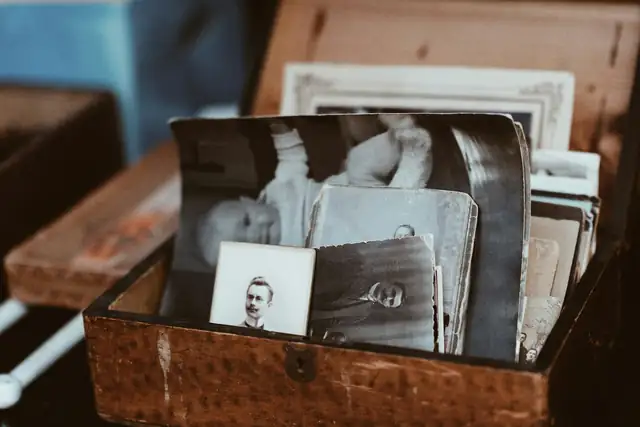
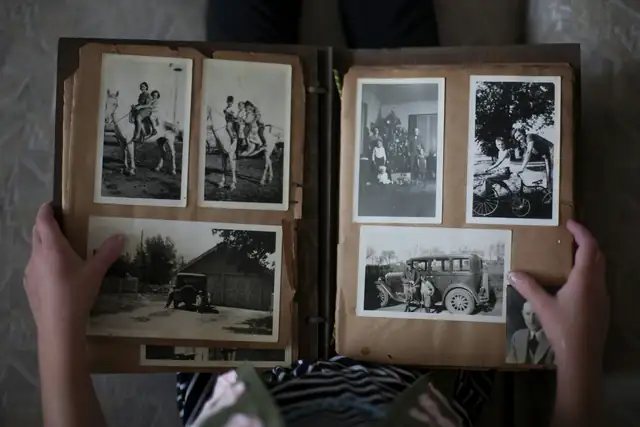
Most families have one. A shoebox at the back of the wardrobe, or an album with a broken spine. The photos inside are often the only pictures of people who matter, and many of them have no names on the back.
You don’t need special skills to look after them. Archivists at the Library of Congress and the US National Archives share simple advice for families, and it comes down to a few simple steps you can take one evening at a time.
Start with the stories
The most fragile part of an old photo is often the memory behind it. Once the people who knew the faces are gone, a picture can become a stranger.
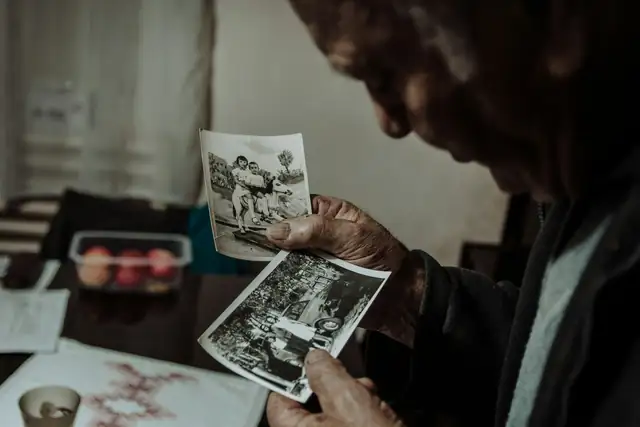
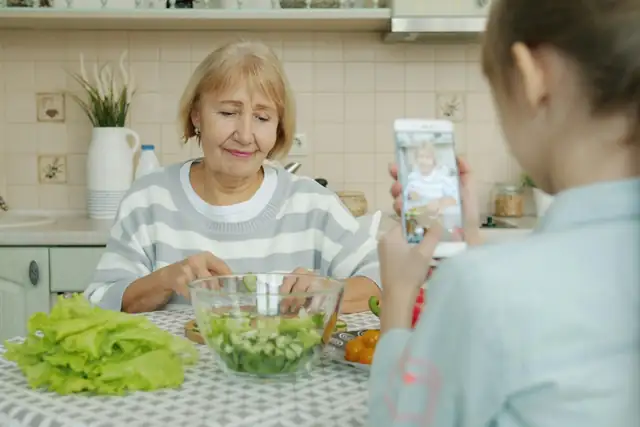
So if there’s someone in your family who might know who’s who, sit with them and the box before you do anything else. Ask who is in each picture, and roughly when and where it was taken. Old photos are a lovely way to open a conversation, and our guide to gathering a parent’s stories has tips for asking. You might record it on your phone as you go.
When you write the details down, be gentle with the photo itself. The Library of Congress suggests avoiding marks on photos where you can. If you must, write lightly on the back, near the edge, with a soft pencil. Writing on the sleeve or envelope it lives in is even better.
Step 1: gather them together
The Library of Congress begins its advice on keeping photos with finding where they all are. For old prints, that might mean albums, frames, drawers and the boxes relatives have kept. For newer ones, it includes phones, computers, memory cards and photos you’ve shared online.
You don’t have to bring every single one into the same room. A simple list of where they are is a good start.
Step 2: choose the ones that matter most
Next, the same guide suggests picking the photos that feel especially important to you. That might be a handful or many hundreds. If you have several copies of the same picture, keep the best one.
This step makes everything else lighter. You can give your most precious photos extra care, and the rest can wait.
Step 3: sort and label
Group the photos in a way that makes sense to you. By person or by decade both work well.
Albums with sticky “magnetic” pages or coloured pages
If you’ve scanned or photographed your prints, give each file a name that tells you what it is. The US National Archives suggests recording who, what, where and when for each one, and using hyphens or underscores instead of spaces in file names.
Handle them with care
Have a clean, clear table ready before you open the box, and keep food and drinks well away. The National Archives suggests wearing gloves for photographs and negatives, because fingerprints can leave permanent marks. The Library of Congress says clean hands or clean nitrile gloves are both fine, and to hold each photo by its edges.
For dust, the Library of Congress suggests a small air blower rather than a brush or a cloth, since even soft brushes can scratch.
Step 4: store them safely
Where you keep photos matters more than almost anything else. The Library of Congress recommends somewhere fairly dry and cool, ideally 21°C (70°F) or below, where the conditions stay steady. It names humidity as the most important factor for most prints.
In everyday terms, that usually means a cupboard or shelf in the main part of your home. The National Archives suggests keeping photos out of damp basements, garages and hot attics. The Library of Congress adds that spots near heaters, fireplaces and outside walls are best avoided too. The National Archives suggests keeping boxes up on a shelf, away from pipes and windows, in case of leaks or floods.
For the photos themselves:
Use sleeves, folders and boxes sold as having passed the Photographic Activity Test, often shown as PAT. Both archives point to this as the sign that a material is safe for photos.
Choose boxes big enough for photos to lie flat or stand upright without bending.
Keep old negatives apart from your prints, since some give off harmful gases as they age.
Make copies, and keep the originals
Scanning or photographing your prints means you can share them and look at them without handling the originals. The National Archives still recommends keeping the originals, because digital files can be lost too.
To keep your copies safe, the National Archives suggests the 3-2-1 rule: three copies, on two different kinds of storage, with one kept somewhere else, such as with a relative. The Library of Congress adds two good habits. Check once a year that your copies still open, and make fresh copies every five years or so.
Enjoy them on show
Light fades photos over time. The National Archives suggests framing a copy and keeping the original safe in its box. If you’d like to frame an original, it recommends glass or acrylic that filters ultraviolet light, and a spot away from direct sunlight.
If a photo is damaged
Some photos are torn, stuck together or marked by damp. For damage that better storage can’t fix, the Library of Congress suggests a trained photograph conservator, so it’s worth asking before you try to repair a precious print yourself. Many countries have a professional body for conservators that can help you find one.
Where to begin tonight
Choose one small pile and one person to ask. Write down what they remember. Even ten photos with names on the back are a gift to whoever opens the box next.