Prompts arranged by the decades of a life, to answer yourself or to ask a parent or grandparent, with simple tips for recording the answers.
Last reviewed
In short
Pick one question at a time. A single good answer is a story worth keeping.
Questions that begin with how, what or why bring out fuller answers than ones that can be answered yes or no.
You can answer them yourself, or ask a parent or grandparent and record the conversation on your phone.
Most of us carry far more stories than we realise, and the hardest part is knowing where to begin. A good question helps. This page gathers prompts by the decades of a life, so you can start wherever your memory is clearest.
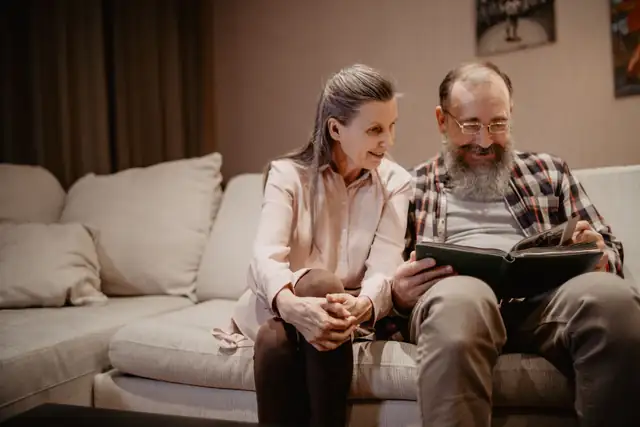
You can answer them yourself, in a notebook or out loud. Or you can sit with a parent or grandparent and ask them, which is often how the best stories come out. Either way, there’s no need to go in order or to answer them all.
How to use these questions
Choose one question, or a few, rather than working down the list. StoryCorps points out that a whole lifetime won’t fit into one conversation, and suggests starting with five to ten questions on a few topics you care about.
Open questions work best. The Smithsonian’s folklife guide notes that questions beginning with how, what or why usually draw out a fuller answer than ones beginning with do or did. “What was it like learning to drive?” will bring more than “Did you like learning to drive?”
If you’re asking someone else, a few things help:
Find a quiet room and turn off phone notifications.
Let pauses be. The same guide says not to worry about silences, because people often need a moment to think.
Offer a break after an hour or less.
Follow the story where it goes. StoryCorps suggests treating your questions as a guide rather than a script, with simple follow-ups like “And then what happened?”
The voice recorder app on most phones is enough. Our guide to gathering a parent’s stories has more on recording and keeping the answers safe.
Early childhood
What is the very first thing you remember?
What was the house you grew up in like? Walk me through it, room by room.
Who lived with you when you were small?
What did your kitchen smell like?
What games did you play, and who did you play them with?
What were you a little afraid of?
What did you want to be when you grew up?
School years
What was your school like, and how did you get there each day?
Which teacher do you still remember, and why?
Who was your closest friend?
What did you do on a summer holiday or a long weekend?
What did your family do for fun?
What was something you were told off for?
Which song, book or show takes you straight back to that time?
Your teens
What did you and your friends do on a weekend night?
What did you argue with your parents about?
What was your first job, and what did you spend the money on?
Who was your first crush?
What was happening in the world that you remember talking about?
What were you sure about then that you see differently now?
Your twenties
Where did you live when you first left home?
How did you decide what work to do?
How did you meet the people who became important to you?
What was a risk you took?
What did a good night out look like?
What do you wish someone had told you at twenty-five?
Your thirties and forties
What did an ordinary weekday look like?
What were you proudest of in these years?
What was the hardest thing you got through?
If you had children, what surprised you most about being a parent?
Who did you lean on?
What did you do just for yourself?
Your fifties and sixties
What changed for you in these years?
What did you finally stop worrying about?
Which friendships lasted, and why do you think they did?
What did you learn to do later in life?
What place do you love going back to?
Later life and looking back
What does a good day look like for you now?
What are you most grateful for?
What would you like your grandchildren to know about the world you grew up in?
Which family recipes, sayings or traditions would you like kept going?
What do you hope people remember about you?
Is there anything you’ve never told me that you’d like to tell me now?
Keeping the answers
However you collect them, write the date and the name of the person speaking at the top of each page or recording. Keep a copy somewhere other than your phone, and share one with family. A few answers written down this month are worth more than a perfect plan for later.