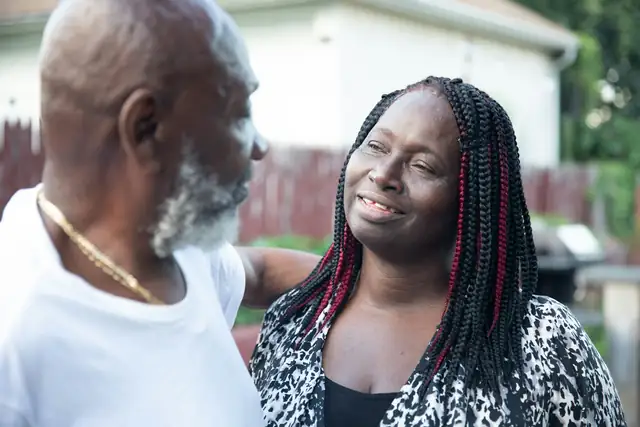
Gentle ways to start the conversation, what to cover, and what to do when it doesn’t go to plan.
Last reviewed · For readers in Australia
In short
Knowing your wishes helps your family speak up for you.
An everyday moment and a simple opening line can make it easier.
It doesn’t have to be one big talk. Keep it going over time.
Most of us find it hard to talk about our own death with the people we love. We worry about upsetting them, or we’re not sure they want to hear it, or there simply never seems to be a right moment. Yet knowing what you’d want can make the hardest moments a little lighter for the people who’ll be deciding.
This guide offers some gentle ways in. You don’t need to cover everything at once. Often the first conversation is mainly about letting your family know that you’d like to talk, and that it’s alright to.
Why it helps
When your family knows your wishes, they can speak up for you with doctors if you can’t, without having to guess. There’s also less room for disagreement when everyone has heard it from you directly. And the conversation itself can bring people closer, as stories and feelings come out that might otherwise have stayed unsaid.
Choosing a moment
There’s rarely a perfect time, but some moments make it easier:
after a news story, a film or a friend’s illness that has got you thinking
when you’re updating your will or filling out an advance care planning form
on a quiet drive or a walk, side by side rather than face to face
around Dying to Know Day each August, an Australian campaign that encourages exactly these conversations
Some people prefer to talk one on one, and others like the whole family at the kitchen table. It’s your choice.
Ways to begin
It can help to have an opening line ready. You might try:
“I’ve been thinking about the future, and I’d feel better if you knew what I’d want.”
“When Pat was so unwell last year, it made me realise I’ve never told you my wishes.”
“I’m filling in a form about my health care, and I’d love to talk it through with you.”
“Nothing’s wrong. I just want to get some things sorted while it’s easy to talk about.”
If someone changes the subject, you can say, “I know it’s not easy. Can we come back to it another day?” and then do.
What you might cover
You don’t need to cover everything, and it doesn’t need to be in this order:
What matters most to you if you became very unwell: being at home, being comfortable, having family close, or trying every treatment.
Who you’d like to speak for you if you can’t. The Australian Government’s health department suggests asking yourself whether you’re confident that person would decide as you would. Our guide to advance care planning explains how to make that formal.
Who would manage your money if you couldn’t, and where your papers are. See our guide to enduring powers of attorney.
Things you’d like them to have, and the stories behind them.
What you’d want them to know about you, your life and what you hope for them.
Tools that can help
Palliative Care Australia publishes free Discussion Starters, conversation kits and cards that help you sort out what matters most and talk about it with family, friends or your health workers. They don’t replace a formal plan, but many people find them a gentle way in.
Advance Care Planning Australia’s free advisory service, on 1300 208 582, can help you prepare for conversations with family and care providers, as well as with the forms.
When it doesn’t go to plan
Sometimes a family member gets upset, refuses to talk or disagrees with what you want. That’s understandable. Death touches everyone’s fears differently. A few things that can help:
Give them time. A first conversation often opens the door for a better second one.
Put it in writing. A letter can say what’s hard to say aloud, and they can read it when they’re ready.
Ask a third person. Your GP, a palliative care team or a counsellor can help guide a family conversation.
Make the decision legally clear. If you’re worried about disagreement, appointing a decision-maker formally means your choice is on record.
Keeping it going
Your wishes may change, and that’s natural. It’s worth coming back to the conversation every so often, especially after a change in your health. Each time gets a little easier.
And these conversations aren’t only about death. They’re a chance to tell your family who you are and what you’ve loved. If you’d like a gentle way into that side of things, our questions to ask work beautifully in reverse, with you telling the stories. You might also like to write letters to the people you love.
Dying to Know Day An annual Australian campaign each August with community events about death, dying and grief.
Beyond Blue Free counselling 24 hours a day on 1300 22 4636 if these conversations stir up a lot.
Sources we checked (4)
Each fact in this guide was checked against these official pages on 23 October 2026. Rules and forms change, so please check the source for your own situation.
This is general information, not legal, financial, insurance or medical advice. For your own situation, please speak with a qualified professional or the official body named above.