Small things to do on the day to keep someone you love close, and a way to ask family for their stories while everyone is together.
Last reviewed
In short
A few small things on the day can keep them part of it, and with everyone together it’s a good time to ask for their stories.
If the day is too much, it’s alright to step away and talk to someone.
The first Christmas after someone dies rarely looks like the ones before. Some families keep every tradition, and others change the day completely. Cruse Bereavement Support suggests planning ahead how you’ll spend it, and doing what feels right for you rather than what others expect.
Small things for the day
Choose one or two that feel right for your family. Most of them also work at Thanksgiving, or on their birthday.
Keep a place at the table. Sue Ryder suggests setting a place for the person who isn’t there, or raising a glass to them at the meal.
Light a candle. Cruse says some people light a special candle near a photo of the person. It can burn through the meal, or for a quiet moment on your own.
Share a story at the table. Take turns telling one memory of them, however small. Cruse suggests this when friends and family are together at Christmas.
Play their voice. If you have a voicemail or a video of them, you could play it when everyone has gathered, or listen on your own first. The guide to recording a voice on your phone shows how to save a voicemail before it’s lost.
Cook their recipe. Make the dish they always brought, or the one only they could get right. Write the recipe down as you go, with the little tricks you remember.
Hang something of theirs. Cruse suggests hanging something that belonged to them on the tree, or a decoration with their name or photo on it.
Asking family for stories
Christmas may be the one time this year when everyone who knew them is in the same room, each with their own memories of them.
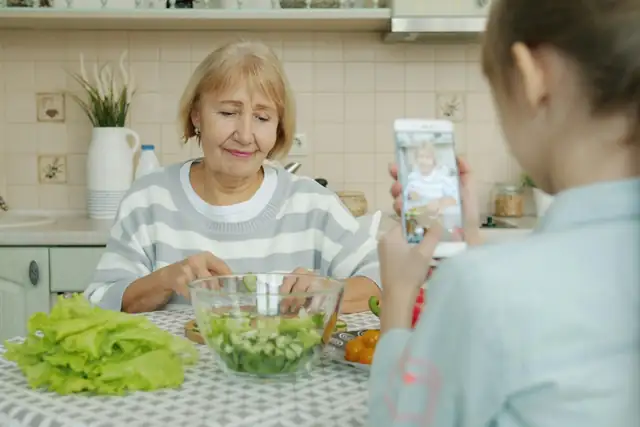
Ask one question over the meal or while the dishes are being done, and let the conversation go where it goes. If everyone is happy to be recorded, leave a phone on the table, and say the date and who’s there at the start.
A few questions to start with:
What’s the first thing you remember about them?
Is there a Christmas with them you’ll never forget?
What did they always say or do at this time of year?
What’s something about them the youngest here might not know?
Some people won’t want to talk yet. Cruse notes that people remember and mourn in different ways, so let each person join in as they choose.
Afterwards, write down the stories while they’re fresh, with who told each one. Copy any recordings off your phone that evening, so they’re kept in more than one place.
If the day is too much
It’s alright to step away, or to change your plans on the day. Marie Curie suggests having a plan B in case you don’t feel like it when the day comes.
If you’d like to talk to someone, Find A Helpline lists free, confidential helplines in more than 175 countries, and Cruse Bereavement Support runs a grief helpline for people in the UK. The guide to grief, and when to get help has more on finding support.
Further help
Find A Helpline Free, confidential helplines in more than 175 countries, so you can find one where you live.